
What Are Plastic and Wooden Pallets?
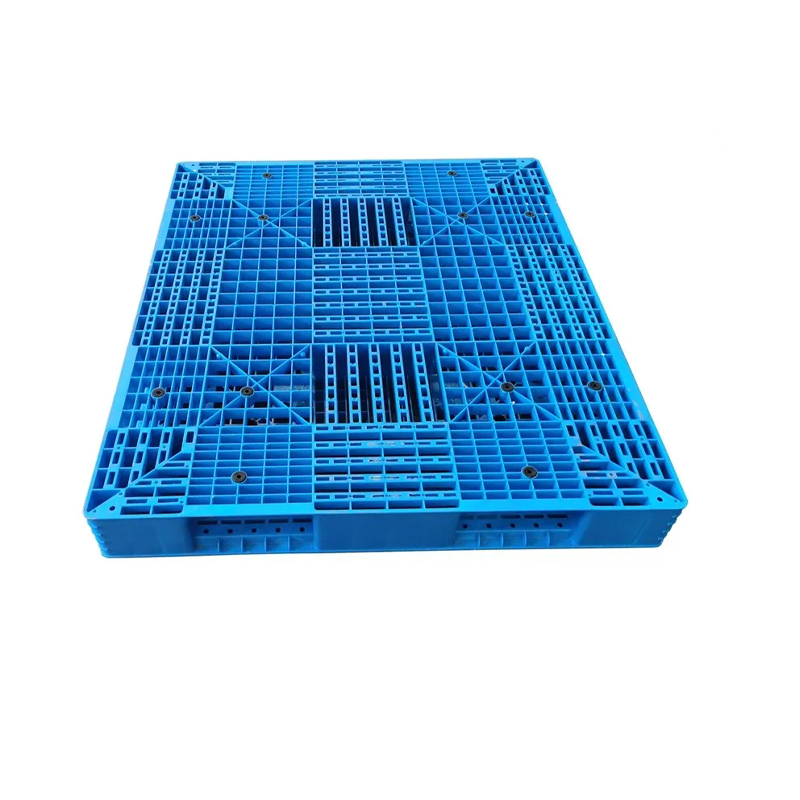
Plastic Pallets
Plastic pallets are made from materials such as HDPE (High-Density Polyethylene) or PP (Polypropylene) using injection or blow molding processes. They are designed for durability, consistency, and long-term use.
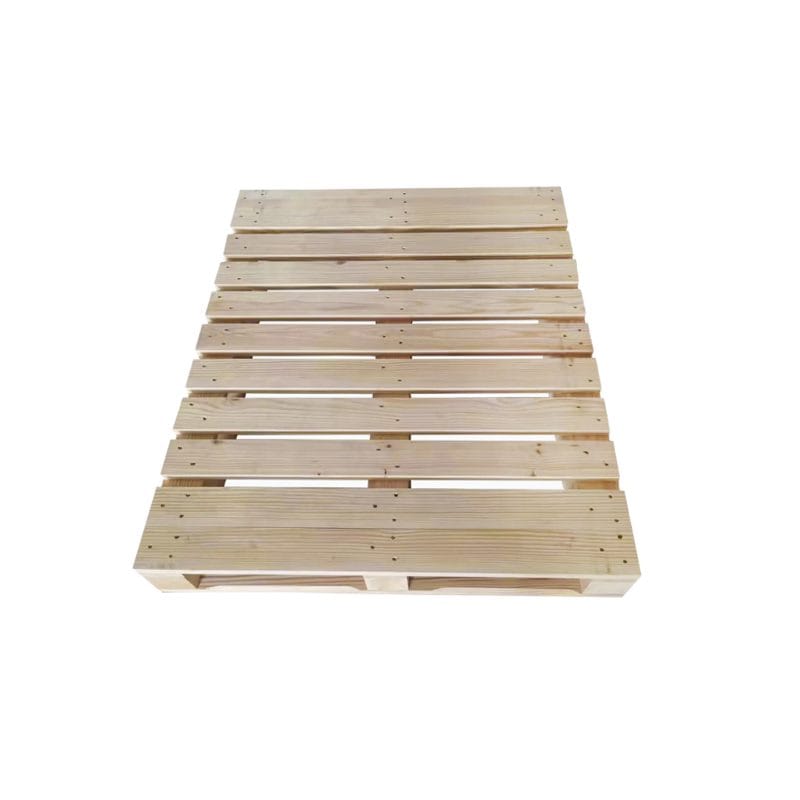
Wooden Pallets
Wooden pallets are made from natural timber and are the traditional choice in logistics. They are widely used due to their low cost and availability.
Plastic Pallets vs Wooden Pallets: Key Differences
1. Durability
- Plastic Pallets: Highly durable, resistant to moisture, chemicals, and impact. Long lifespan.
- Wooden Pallets: Prone to cracking, splintering, and rotting over time. Shorter lifespan.
In conclusion, plastic pallets have more advantages.
2. Cost
- Plastic Pallets: Higher upfront investment
- Wooden Pallets: Lower initial cost, ideal for one-time use
In conclusion, wooden pallets are cheaper in the short term, but plastic pallets offer better long-term value.
3. Hygiene & Safety
- Plastic Pallets: Non-porous, easy to clean, resistant to bacteria, mold, and pests
- Wooden Pallets: Can harbor insects, fungi, and bacteria; often require fumigation for export
In conclusion, wooden pallets are cheaper in the short term, but plastic pallets offer better long-term value.
4. Environmental Impact
- Plastic Pallets: Recyclable and reusable
- Wooden Pallets: Biodegradable but consume natural wood resources
In conclusion,Both can be environmentally friendly depending on usage and recycling practices.
How to Choose the Right Pallet?
Ask yourself the following questions:
- Do you need long-term reuse?
- Are there strict hygiene requirements?
- Will the pallets be used for export?
- Are you using automation systems?
If your goal is long-term cost savings, efficiency, and hygiene, plastic pallets are the better choice.
If you are also considering steel, paper or molded wood, use our broader pallet material comparison before narrowing the plastic pallet structure.
Explore plastic pallet options
For buyers replacing wooden pallets in export shipping, food handling or warehouse storage, review Zhenghao plastic pallets. If your application requires closed-wall storage or collapsible bulk packaging, see our plastic pallet boxes.
Procurement Notes: When Plastic Pallets Are the Better Choice
For B2B buyers comparing plastic pallets vs wooden pallets, the decision usually depends on export requirements, hygiene standards, warehouse equipment and total lifecycle cost. Wooden pallets may be suitable for low-cost one-way shipments, but plastic pallets are often preferred when buyers need consistent dimensions, easier cleaning, moisture resistance, no fumigation and repeated use.
Plastic pallets are especially practical for food and beverage, pharmaceutical handling, cold chain storage, automated warehouses, international export and closed-loop distribution. Buyers should compare pallet weight, load capacity, deck type, runner design, racking needs, cleaning process and container loading quantity before choosing between plastic and wood.
- Choose plastic pallets when hygiene, moisture resistance, export compliance and long-term reuse are important.
- Choose wooden pallets when the shipment is low-value, one-way and cost is the only decision factor.
- Compare total cost by including replacement rate, cleaning, fumigation, breakage, rejected shipments and return logistics.
Buyers can compare related options in our plastic pallets, nine leg plastic pallets, three runner plastic pallets and double deck plastic pallets categories.
Common Buying Questions
Do plastic pallets need fumigation for export?
No. Plastic pallets do not require ISPM 15 fumigation, which makes them convenient for international shipments.
Are plastic pallets more expensive than wooden pallets?
The unit price is usually higher, but the total cost can be lower when the pallet is reused many times or when breakage, cleaning and rejected shipments are considered.
Which plastic pallet type should I choose?
Nestable pallets are useful for one-way export and space saving. Three-runner and double-deck pallets are better for heavier warehouse handling and repeated logistics cycles.