
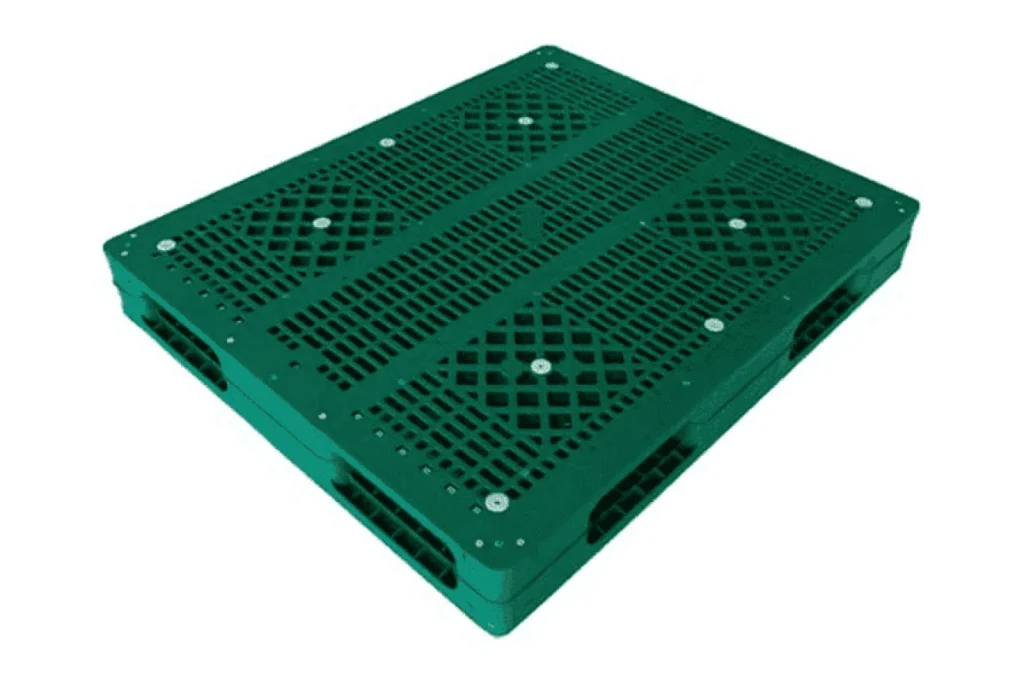
Choosing a plastic pallet is not only a matter of selecting a size. The pallet must suit the way goods are stored, handled, loaded and shipped. A pallet that works for one-way export may not suit warehouse racking, repeated forklift handling or food-related applications.
Before requesting a quotation, define the product dimensions, load weight, handling method and destination. These details make it easier to select a pallet that performs reliably and avoids unnecessary cost.
Start with the pallet’s job
For export shipments, buyers often need a lightweight, durable pallet that does not require fumigation. Plastic pallets resist moisture and do not have the nail, splinter or pest issues associated with many wooden pallets.
For warehouse use, the pallet may need to work with forklifts, pallet jacks, conveyors or racking systems. In that case, the pallet design and load rating matter more than the purchase price alone.
- One-way export shipment
- Repeated warehouse circulation
- Floor stacking
- Rack storage
- Cold storage or wet environments
- Food and beverage handling
- Automated conveying systems
Choose the right pallet size
Pallet dimensions should match the product, warehouse equipment and shipping route. Common sizes include 1200 x 1000 mm, 1200 x 800 mm, 1100 x 1100 mm and 1200 x 1200 mm. The best size still depends on carton dimensions, container loading plans and the equipment used at the destination.
A pallet that is too large can waste container space. A pallet that is too small can leave cartons overhanging the edges, which increases the risk of product damage during transport.
- Carton footprint and stacking pattern
- Forklift and pallet jack entry direction
- Racking beam spacing
- Container or truck loading layout
- Local pallet standards in the destination market
Check the required load capacity
Load capacity should be considered in three different ways.
Static load
Static load is the weight a pallet can support when it is placed on a flat floor and stacked without movement. This is usually the highest rating.
Dynamic load
Dynamic load applies when a forklift or pallet jack moves the loaded pallet. This rating matters for warehouse handling and loading operations.
Racking load
Racking load applies when a pallet is supported only by rack beams. It is often the most demanding condition because the centre of the pallet is unsupported.
Do not assume that a pallet suitable for floor storage is also suitable for racking. If the pallet will be used in a rack, provide the rack dimensions, beam spacing and expected load weight before choosing a model.
Select a structure that matches the handling method
A nestable plastic pallet can save space when empty pallets are returned or stored. It is often practical for export and distribution applications. A stackable pallet is useful when loaded goods need stable vertical storage.
A three-runner plastic pallet is commonly selected for racking, conveyor use and repeated industrial handling. A double-sided pallet may suit heavier loads and stable stacking, although it is not always compatible with every pallet jack design.
The right choice depends on how the pallet enters the warehouse, how it is moved and where it is stored.
Consider the working environment
Plastic pallets are often selected for wet, cold and hygienic environments. Unlike wood, plastic does not absorb moisture. It is easier to clean and does not develop splinters.
For cold storage or freezer applications, confirm the expected temperature range. For chemical or spill-control areas, select the pallet according to the liquid, container type and containment requirement.
Balance purchase price with service life
The lowest-cost pallet is not always the best-value option. A one-way export pallet may be right when the pallet will not return. A heavier-duty pallet may be more economical for repeated use because it can reduce replacement costs, product damage and handling interruptions.
- Expected reuse cycle
- Load weight and handling frequency
- Risk of pallet damage
- Empty pallet storage space
- Cleaning requirements
- Export and destination requirements
When material choice is still open, compare plastic, steel, wood, paper and molded wood pallets before selecting a specific plastic pallet model.
Information to prepare before requesting a quote
Clear project details lead to a more accurate recommendation. Include the product type, required pallet dimensions, static, dynamic and racking load, handling equipment, storage method, quantity and destination country or port. Photos, drawings and carton dimensions are also useful when available.
Find the right plastic pallet for your project
Zhenghao Plastics supplies plastic pallets for export, warehouse storage, racking and industrial handling. You can review available options or send your requirements for a product recommendation and quotation.