
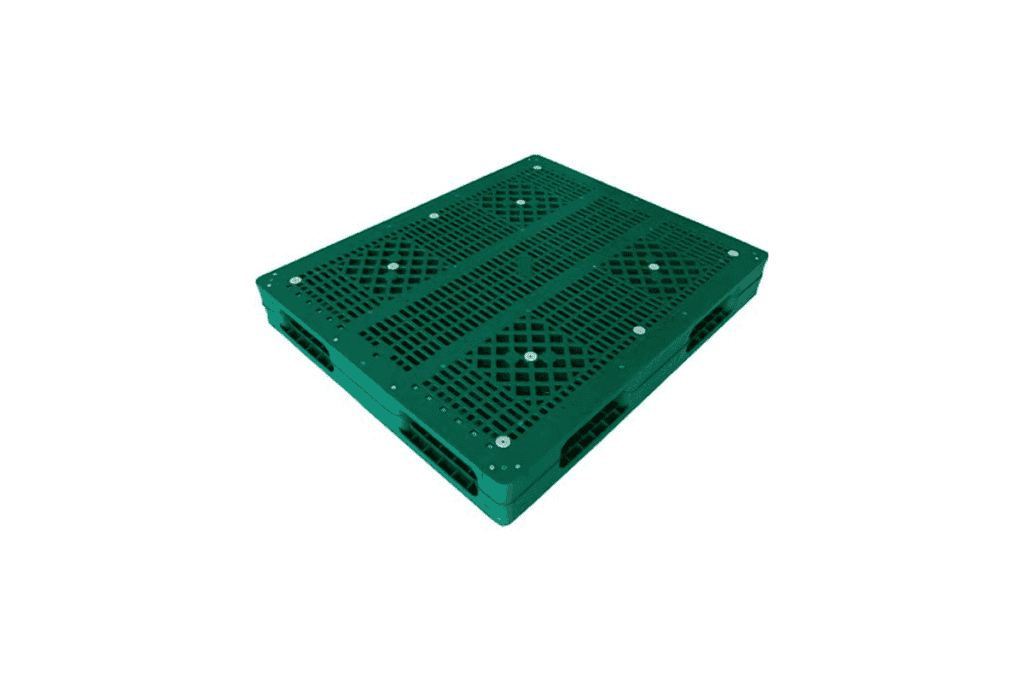
The cheapest pallet is not always the lowest-cost option. Purchase price matters, but so do moisture, repeated handling, cleaning, export rules, repair and the way a pallet is used after delivery. Plastic, steel, wooden, paper and molded wood pallets solve different problems. Buyers should compare the operating conditions before comparing prices.
Plastic pallets: consistent for repeated handling
Plastic pallets do not absorb water and are straightforward to wash. Their dimensions remain relatively stable during repeated handling, and they do not produce splinters or loose boards. These characteristics can help in closed-loop logistics, warehouses and operations where regular cleaning is part of the process.
Plastic pallets are available with different deck and bottom structures. A light nine-leg pallet, a three-runner pallet and a reinforced rackable pallet are not interchangeable. The selected model still needs verified static, dynamic and racking data for the intended use.
Steel pallets: suited to demanding industrial conditions
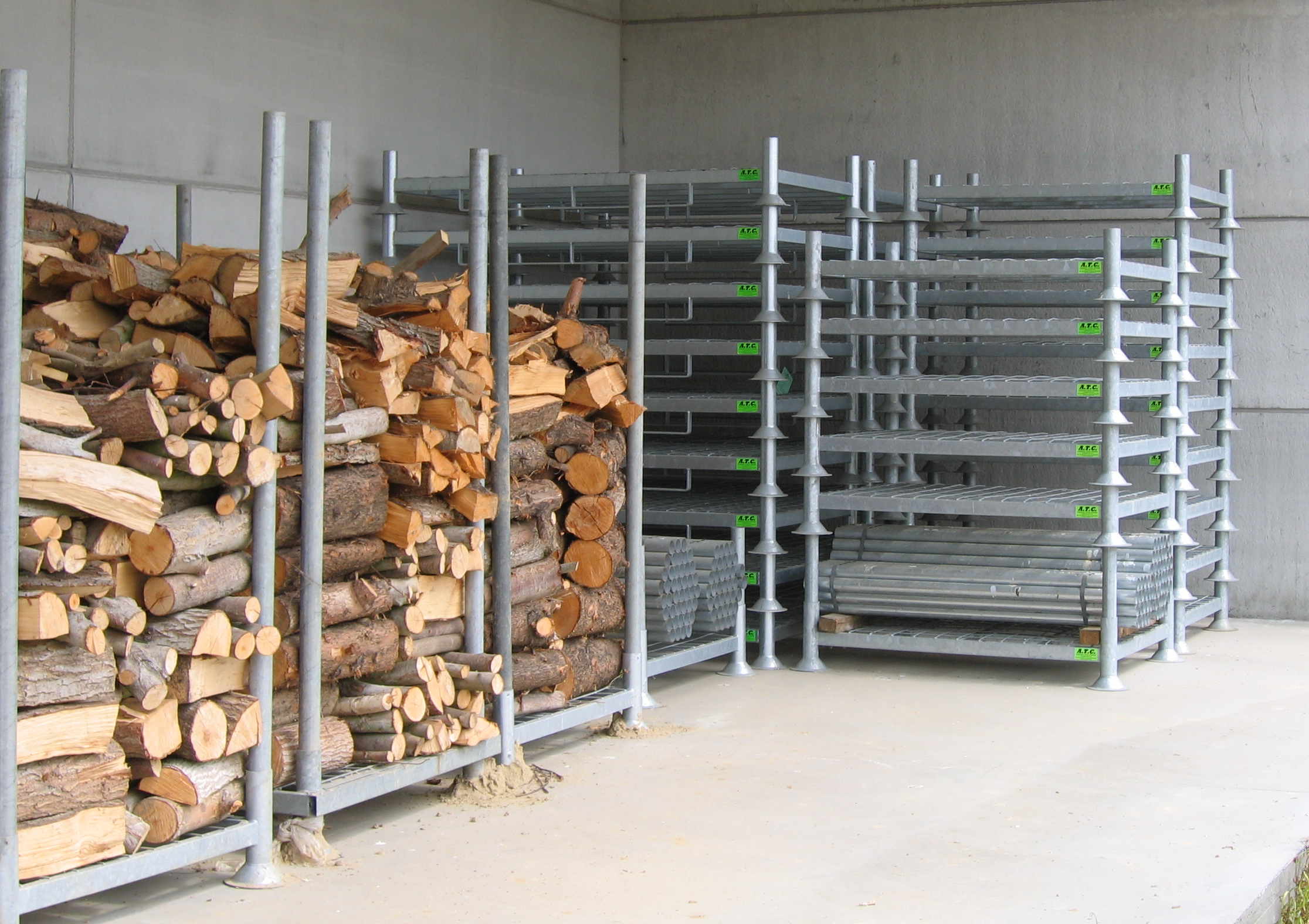
Steel pallets can suit heavy industrial handling and some high-temperature environments. Their rigid construction may be useful in a controlled factory system where pallet weight and noise are acceptable.
The trade-offs are easy to overlook. Steel is heavier to move, and damaged surface coatings can expose the pallet to corrosion. Buyers should also consider contact with the goods, handling noise and the equipment used to move an empty pallet.
Wooden pallets: accessible and repairable
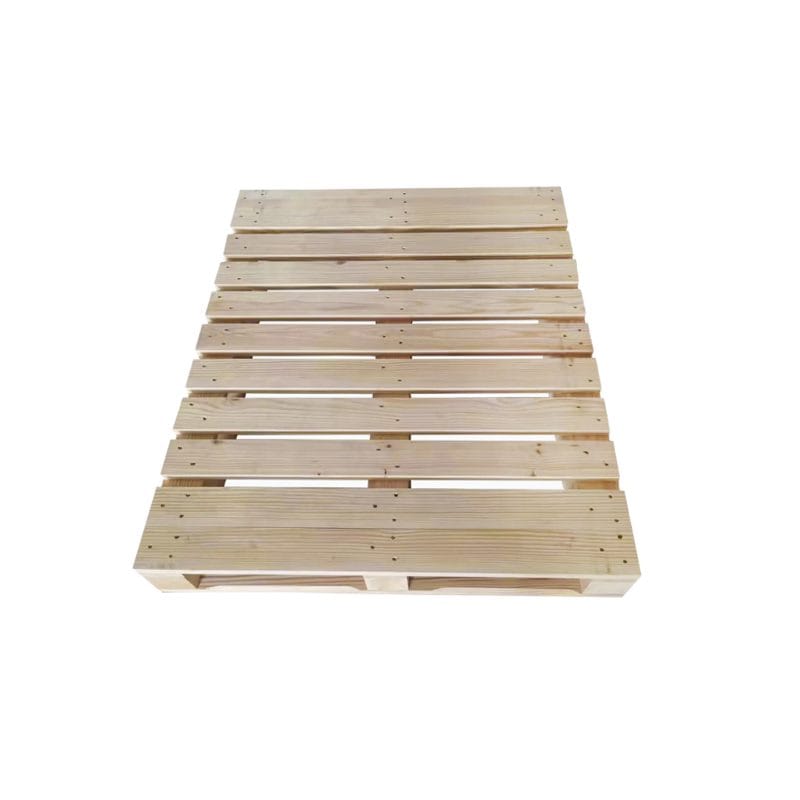
Wooden pallets are widely available and often have a low initial price. Individual boards can usually be repaired, which is useful when a local repair network is available. This makes wood practical for many one-way and general transport jobs.
Moisture can change the pallet’s weight and condition. Broken boards, splinters, mold and protruding fasteners also need inspection. International shipments may require treatment and marking under the rules that apply to wood packaging, so exporters should confirm the destination requirements.
Paper pallets: light, but sensitive to the environment
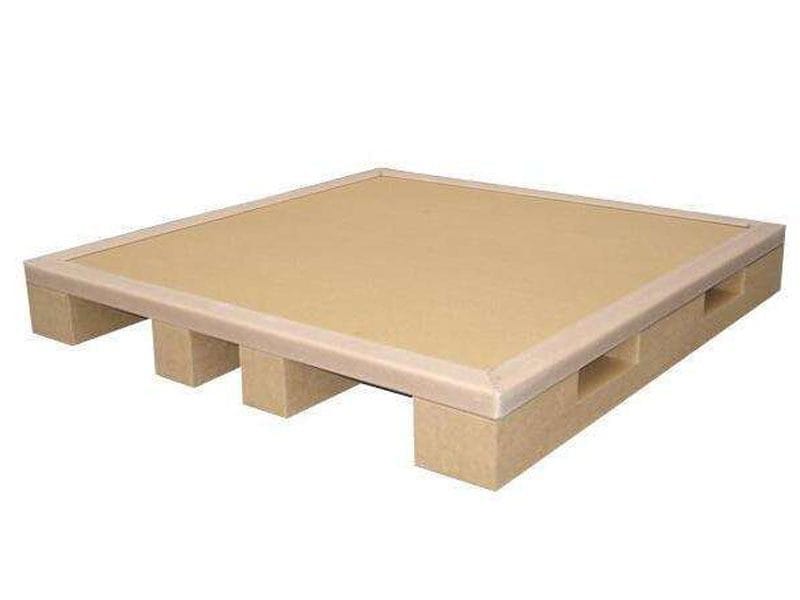
Paper pallets can reduce packaging weight and may suit light packaged goods or one-way shipments. Their low weight can also make empty handling easier.
Water, oil, humidity and repeated impacts can reduce the performance of paper structures. Buyers should verify the load, storage duration and transport environment for the exact design rather than assuming that every paper pallet has the same capacity.
Molded wood pallets: not the same as injection-molded plastic
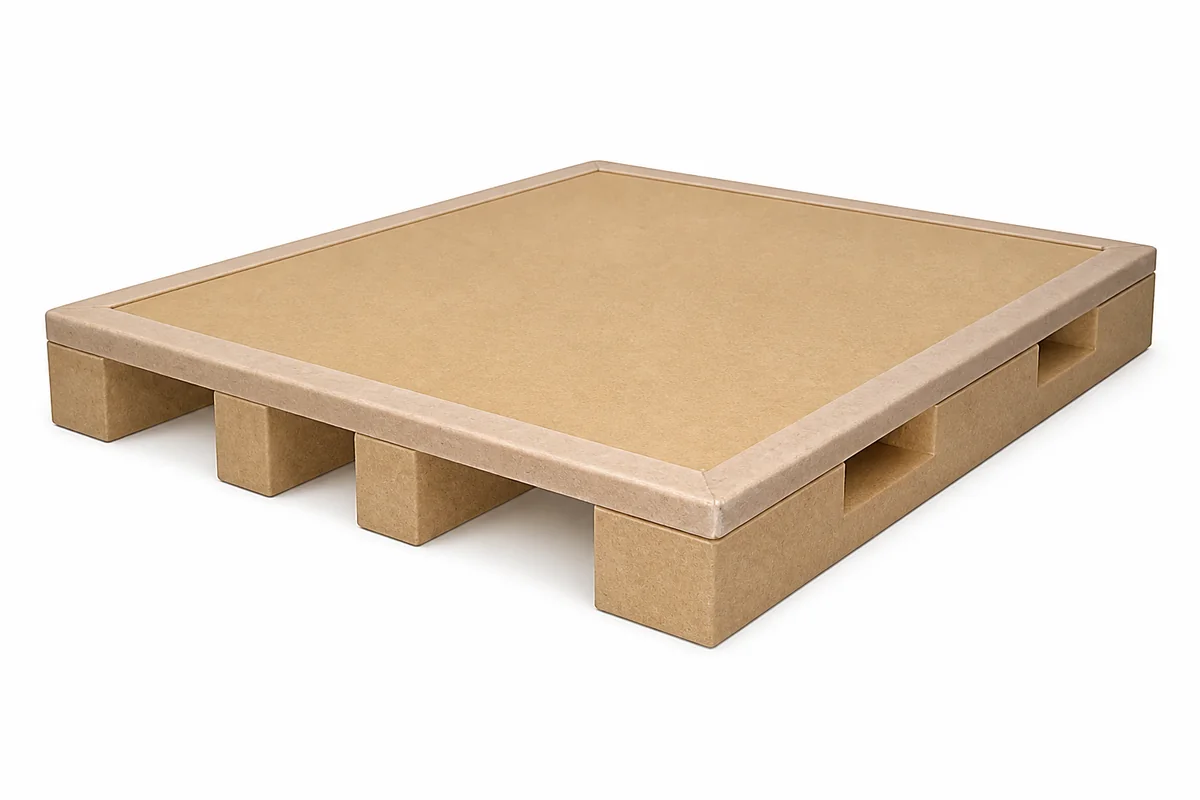
Molded wood pallets are produced from wood-based material formed under pressure. The process can create a consistent shape with rounded surfaces and an integrated deck and support structure. Depending on the design, they may also nest when empty.
They still need to be evaluated as a wood-based product. Moisture exposure, repair options, destination rules and the actual load data should be confirmed with the supplier. The term “molded pallet” should not be used as a substitute for injection-molded plastic pallet because the materials and operating characteristics are different.
Side-by-side buyer comparison
| Factor | Plastic | Steel | Wood | Paper | Molded wood |
|---|---|---|---|---|---|
| Moisture exposure | Does not absorb water | Check coating and corrosion risk | Can absorb moisture | Usually moisture-sensitive | Confirm for the selected design |
| Cleaning | Washable; surface design matters | Cleanable; inspect coating | Porous surface | Limited wet cleaning | Confirm surface and moisture limits |
| Repair | Depends on one-piece or assembled design | Specialized repair may be needed | Boards can often be replaced | Usually limited | Usually model-dependent |
| Empty weight | Model-dependent | Usually the heaviest option | Varies with design and moisture | Usually light | Check the product specification |
| Best fit | Repeated handling and cleaning | Demanding industrial systems | General and one-way transport | Light one-way shipments | Projects suited to a pressed wood design |
How to choose without relying on material alone
Start with the loaded pallet in its real operating condition. Confirm the load type, forklift or pallet-jack entry, conveyor contact points, rack support, storage temperature, moisture exposure and expected number of trips. Then compare verified models.
Material is only one part of the decision. For example, two plastic pallets can have different bottom structures and very different handling limits. The same applies to wood, steel, paper and molded wood designs.
Browse Zhenghao’s plastic pallet range for available structures. If the main decision is between plastic and conventional timber, read the more focused plastic versus wooden pallet guide. For a model recommendation, send us the load, equipment and storage conditions.